Chapter 10 — The Licensing Board Came First (And Why I Stopped Waiting for Permission to Tell the Truth)
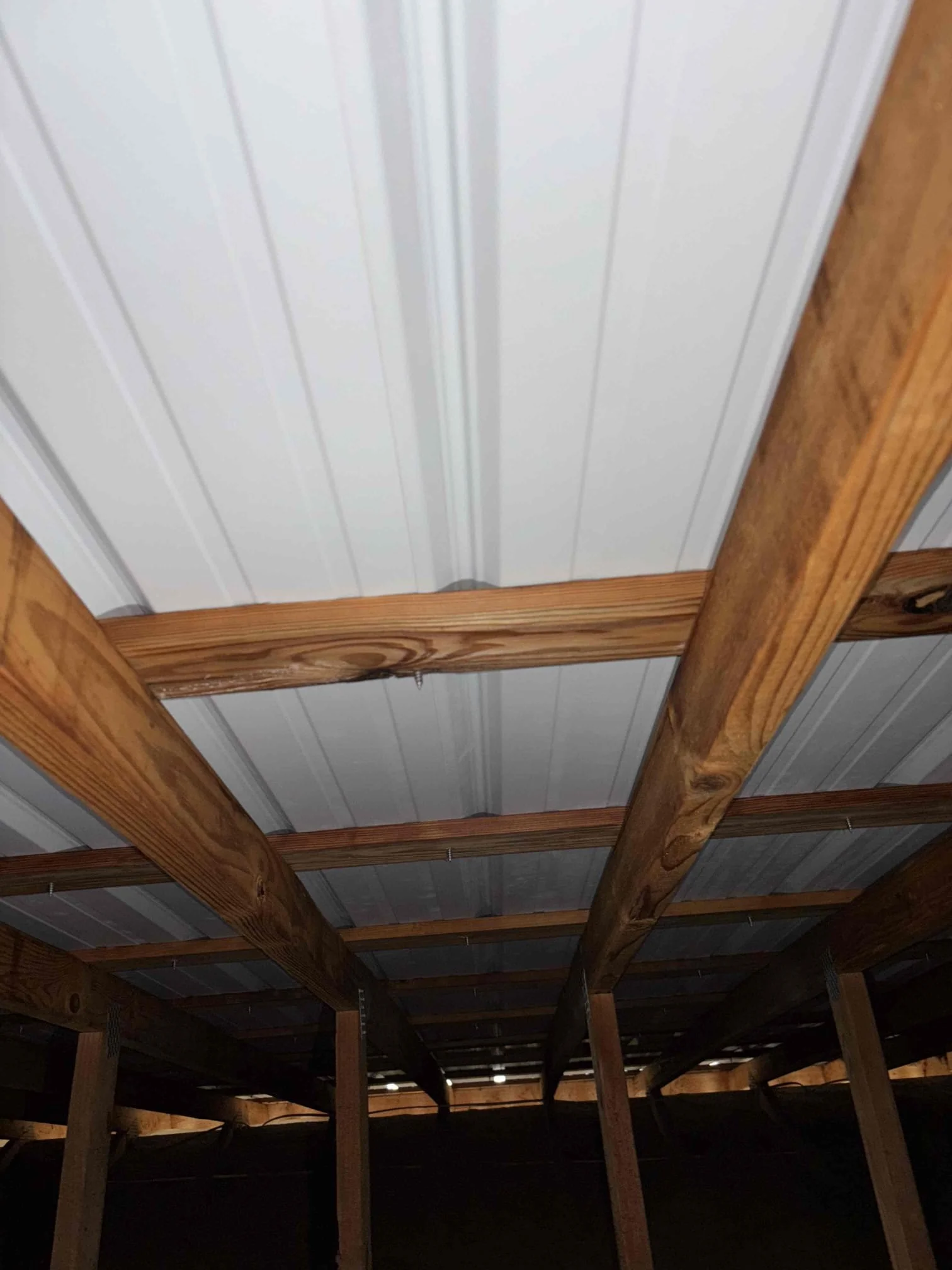
Chapter 10 explains why the Licensing Board complaint—usually the final step in a contractor dispute—became the first major public action. After months of leaks, rot, seven service visits, shifting explanations, contradictory emails, lost photos, settlement posturing, and legal silence, Rackley Roofing stopped responding entirely. In August 2025, when my attorney attempted a routine follow-up, their legal team simply went dark. This wasn’t negotiation—it was strategic waiting: waiting for me to give up, go quiet, or run out of patience.
The turning point wasn’t a new leak or a new contradiction. It was missing a news interview due to two sprained ankles—a forced pause that made one truth impossible to ignore: I had been letting the company dictate the timeline of my own problem. Their silence wasn’t an oversight; it was their strategy.
Filing with the Licensing Board wasn’t retaliation. It was documentation. It created an external record—a timestamp, an archive, and a version of events that could not be altered if Rackley later tried to rewrite their own history. Filing early ensured that the facts lived somewhere beyond private inboxes, especially since Rackley had already lost their own photos, contradicted their internal emails, ignored structural deterioration, contradicted technicians, and delayed negotiation through silence.
By August 2025, waiting wasn’t patience—it was complicity. Filing was the most responsible next step and the only path forward that prioritized truth over optics. This chapter marks the moment the story shifted from private frustration to public accountability, and when I stopped expecting Rackley to care and started making the record matter. Link to article