The BBB File: What Happens When a Company Runs From Its Own Record
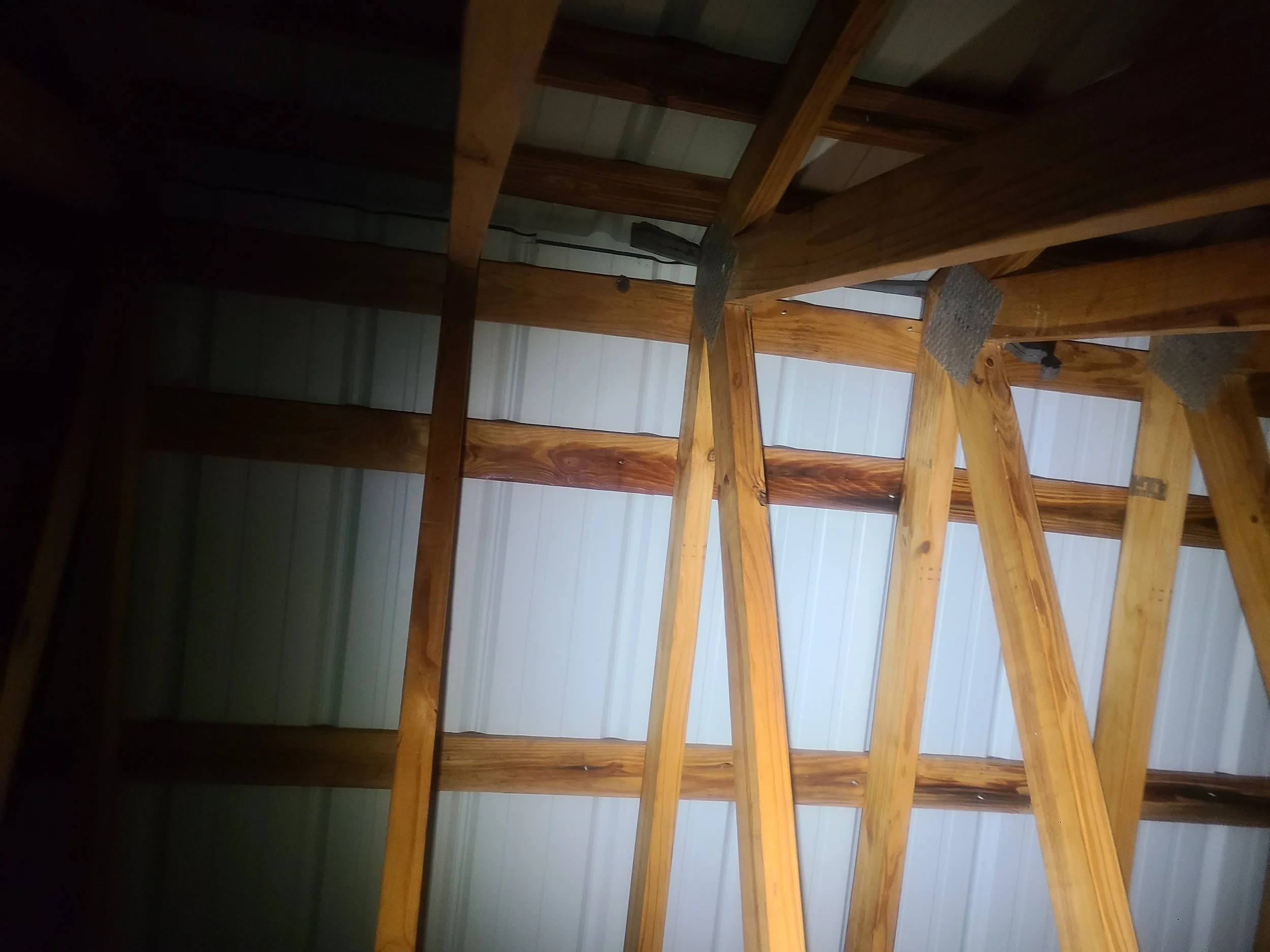
This article is the first installment in a three-part breakdown of the BBB complaint against Rackley Roofing, focusing not on the physical evidence but on the behavioral patterns that emerged long before documentation was published. The Better Business Bureau does not determine liability or structural damage; it creates something more revealing—a public, time-stamped record of how a company responds when asked to account for its own work.
Part I examines five distinct behavior tracks that unfolded during the two-year dispute. First, Rackley’s Vice President of Service, Michael Miller, repeatedly minimized or stalled when active leaks were reported, even as photos showed water running through screws and into insulation. Second, once legal counsel at Adams and Reese became involved, the company shifted abruptly into narrative reframing, introducing claims—“limited scope,” “pre-existing defects,” “roof already failing”—that had never appeared in any document prior to attorney involvement.
Third, the article highlights attempts to limit independent oversight, including statements that the situation would not be submitted to insurance, contradicted moments later by the insurer’s direct request for evidence. Fourth, it covers the escalation to public accusations by Rackley’s COO Michelle Boykin, including claims not supported by any internal documentation. Finally, Part I shows how Rackley provided no proof when the BBB requested logs, emails, photos, or records.
This section sets the stage for Part II, where the documentation Rackley withheld will be published. Link to article