BBB File, Part II — The Complaint They Could Not Distance Themselves From
Part II of the BBB series shifts from behavior to hard documentation— the proposals, invoices, emails, technician photos, and tear-off evidence Michelle Boykin chose not to submit to the Better Business Bureau. Every piece of evidence in this section predates the complaint and directly contradicts the narrative Rackley presented publicly, through its attorneys, and in its BBB responses.
The article begins with Rackley’s own 2022 proposal and invoice, which stated the roof was “in good condition,” required only routine maintenance, and showed no signs of leaks or structural issues. No warnings of defects existed. When leaks began in early 2024, Rackley duplicated the 2022 scope of work—a key indicator that they still believed the roof was fundamentally sound. Only after attorneys at Adams & Reese entered the situation did “limited scope,” “pre-existing damage,” and “defective roof” begin to appear.
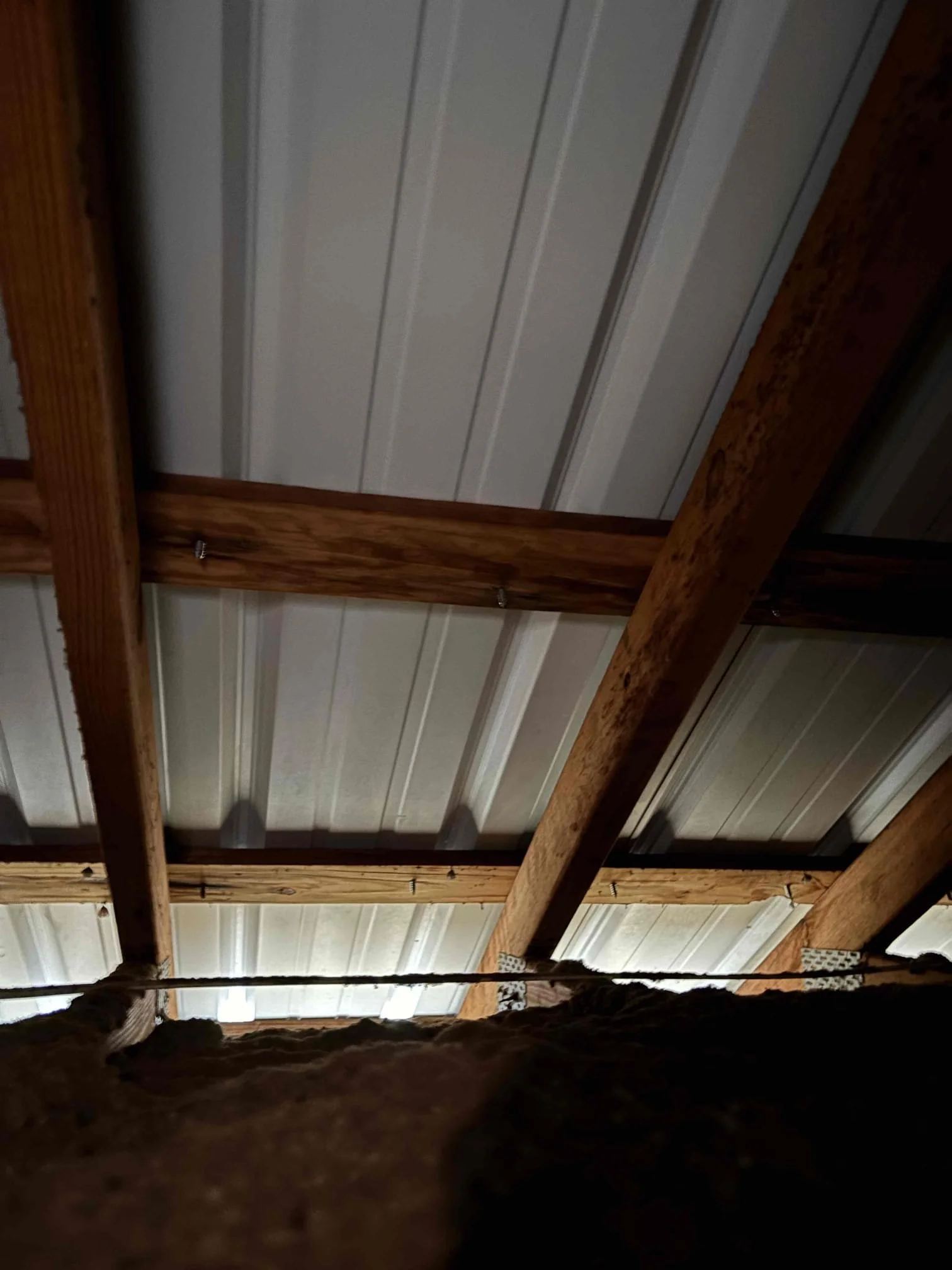
Part II also highlights several major contradictions: the internal May 9 email acknowledging “13 leaks wicking down screws” and “very valid” concerns about rot; June 6 technician photos showing active water intrusion only where Rackley worked; the insurer reaching out despite Rackley’s legal team claiming the matter would not be sent to insurance; and the tear-off results confirming widespread rot and deck cracking directly under the oversized hardware Rackley installed.
The most conclusive evidence came from the hardware itself—three screw types revealing a chronological failure pattern that contradicts every public claim Rackley made. Despite this, Rackley told the BBB that the roof was defective, that repairs were refused, and that damage was pre-existing, while providing no documents to support those statements.
This section demonstrates a simple truth: when narrative and documentation collide, documentation wins.