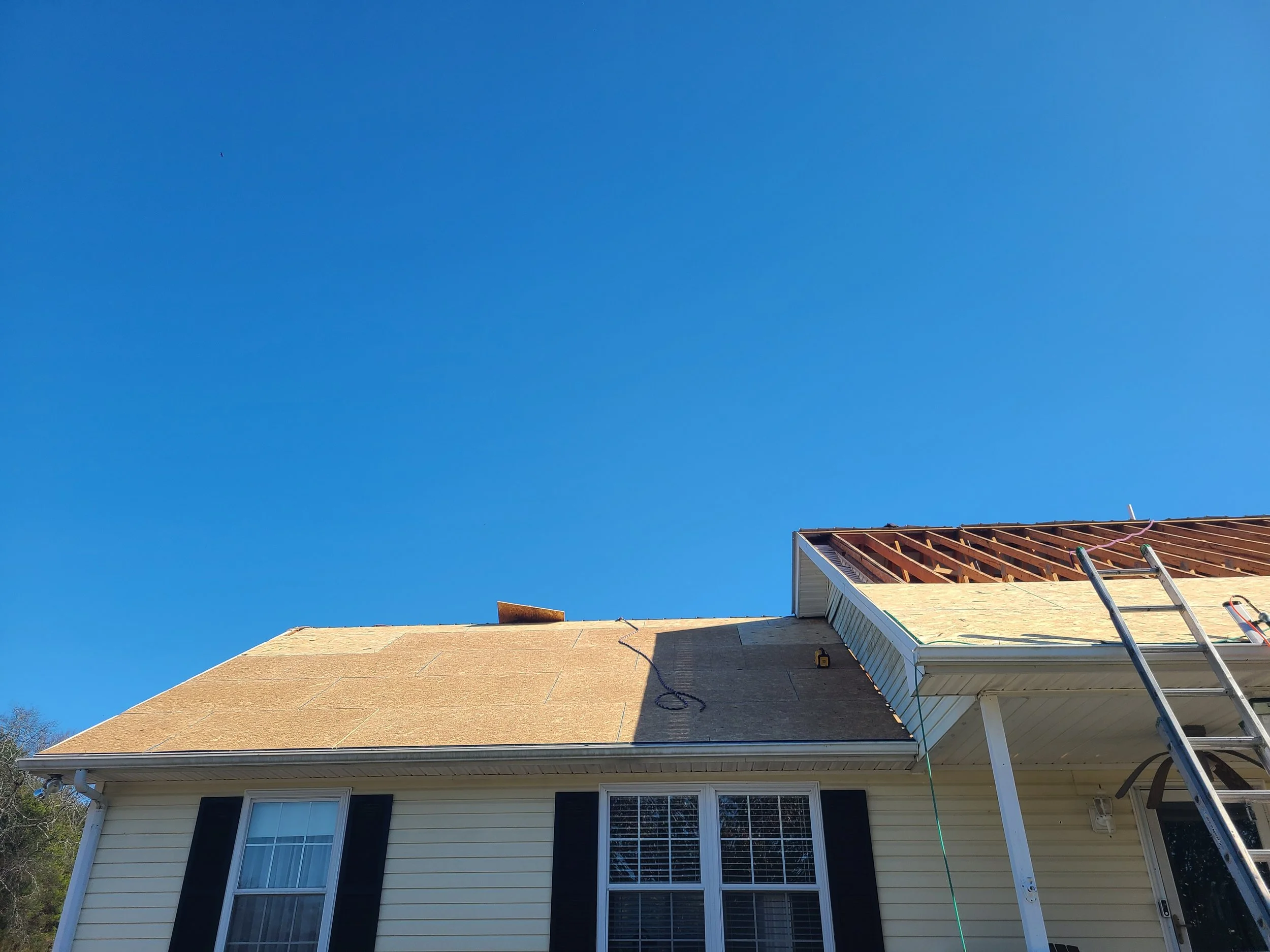
A Homeowner’s Guide to Protecting Yourself From Contractor Failure
Part III of the BBB series is a practical guide built from two years of real-world experience navigating a major roofing failure, conflicting narratives, legal positioning, and inconsistent corporate behavior. While earlier chapters detail evidence and contractor conduct, this final installment distills the lessons every homeowner should understand before hiring a contractor — regardless of who they choose or what type of work is being performed. Obviously I am not a lawyer because I don’t want to even try puppy meat and this is not legal advice.
The guide outlines twelve field-tested protections, beginning with the most critical: always get the first inspection in writing. Proposals, condition reports, photos, and scope definitions form the baseline record that will later determine responsibility. Homeowners are encouraged to compare proposals across time to reveal contradictions, duplicate scopes, or sudden narrative changes, and to document every stage with photos and written communication. The article emphasizes recognizing tone shifts — especially when legal counsel becomes involved — and highlights the importance of asking precise, direct questions that contractors often avoid.